>
A lower price may not be the only difference between a generic and brand-name drug. The price difference is often attributed to the money spent on large-scale marketing campaigns, but it’s also because a generic drug rides the coattails of the brand-name drug through the Federal Drug Association’s approval process.
Though the FDA claims all generic drugs have to prove that they are “bioequivalent” to brand-name drugs, there is no quantitative definition provided for the term “bioequivalent” on the FDA website. It is defined as having the same rate and extent of drug absorption.
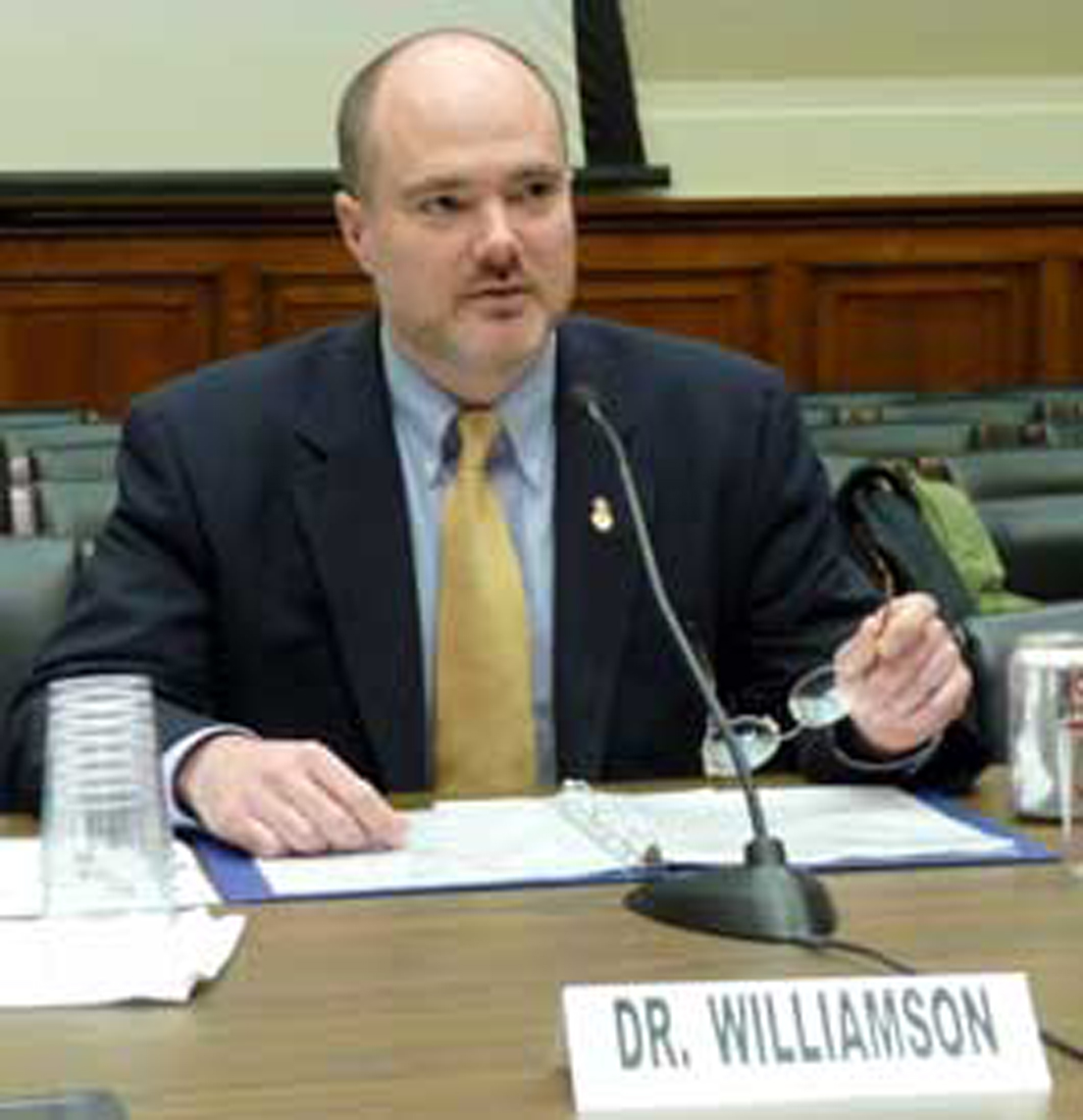 Dr. Todd Williamson, Griffin native and former president of the Medical Association of Georgia, purports that the FDA considers some drug formulations whose rate and extent of absorption into the bloodstream differ within a window of 20 percent less to 25 percent more are generally considered bioequivalent.
“The bottom line is, generics are a great thing – sometimes,” said Williamson. “If it comes down to having no medication because patients can’t afford it or a generic drug then of course generics are the way to go. But there are times when you’ve got to have brand-name drugs.”
Generic prescriptions have saved Americans billions of dollars because most of the time, large corporation pharmacies make deals with drug companies to only sell their products with offers for steep discounts if they sell certain amounts of generic brands.
Pharmacies have the ability to switch you to a generic without your knowledge as long as the doctor indicates that a brand drug is not necessary. In most incidents, this causes no medical problems.
With illnesses that have a narrow “therapeutic window,” such as seizure disorders and people with autoimmune deficiencies, these generic substitutions can have larger consequences.
“While generics are fine in some cases, there are clearly documented situations where patients experience extreme differences in effectiveness. One of the best examples is in the treatment of patients with seizure disorders, where switching to a generic drug can mean more seizures, more risk of injury, and more medical costs for ER visits, lost work time, and loss of driving privileges,” said Williamson.
Many times, the pharmacy’s hands are tied by the insurance companies, who also make deals with drug companies and receive discounts. When an insurance company doesn’t cover a certain medication, they will direct the pharmacy and the patient to a “bioequivalent” drug. “I think the whole system is geared toward getting people to switch to generics,” Williamson said.
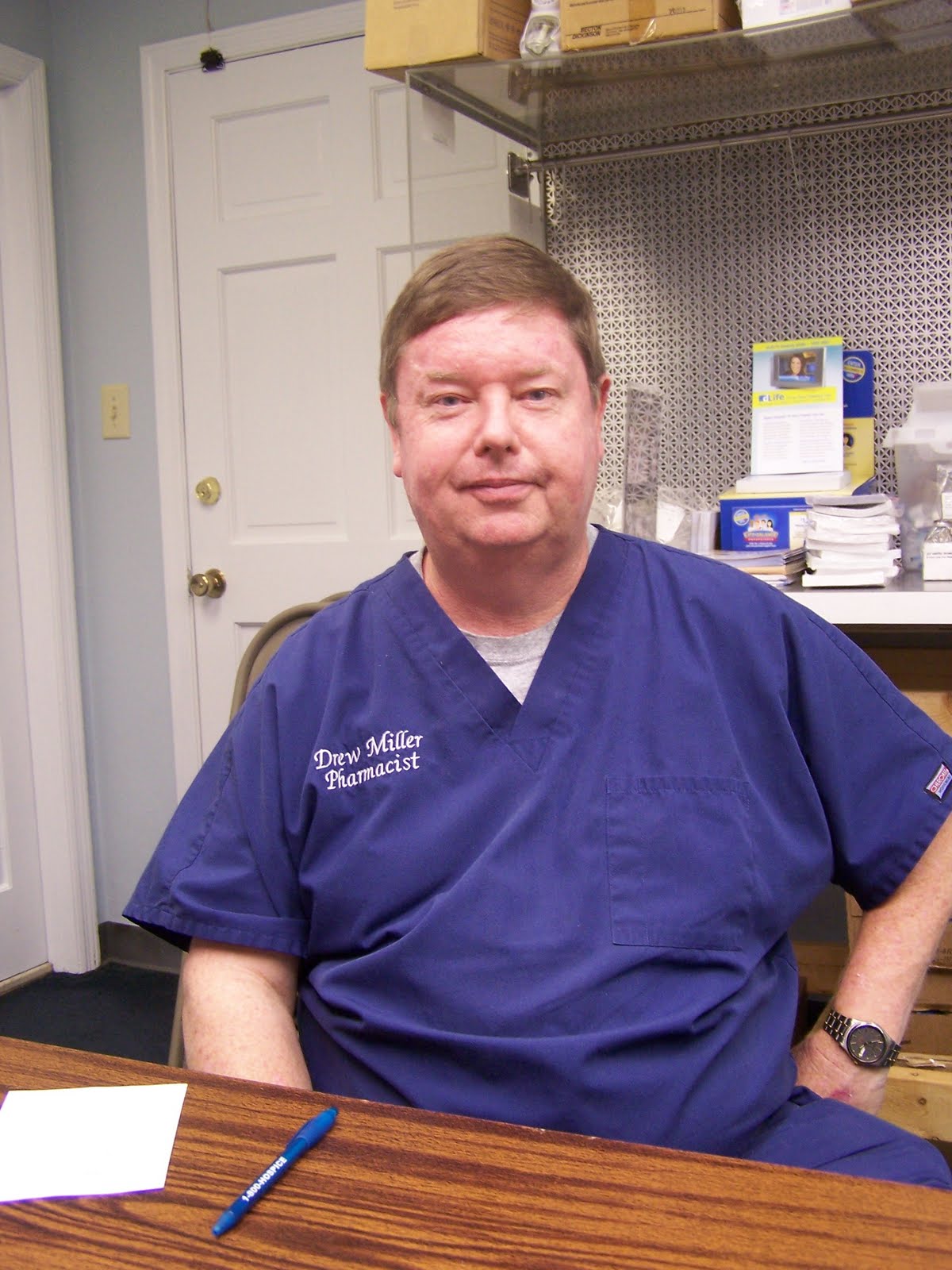 Local pharmacist Drew Miller of Wynn’s Pharmacy says that most pharmacies buy from a single-source wholesaler, and these wholesalers usually only carry certain brands of drugs. If a corporate pharmacy’s wholesaler doesn’t sell a certain type of drug, they can’t offer it to their patients, even if a patient requests it.
Miller says he feels fortunate that if a patient has a need for a drug that his wholesaler cannot feel, he has several other independently-owned pharmacies in the area, such as Hobb’s Pharmacy, that he can call and ask if they have access to the drug. “I call up Paul over at Hobb’s and I ask him to put a certain amount of drug on his next order for me; we work together as a group in the interest of the patient,” said Miller.
It is important to know and trust your pharmacist, and always ask questions regarding prescribed drugs. If a prescription gets switched from a brand name drug to a generic or even from a generic to a different generic, and the effects of the drug seem different, contact a doctor.
 The GRIP
Leave a comment